i got lost in the intricate spirals of cauliflower this morning.
a spiraling vortex. going on. and on.

i got lost in the intricate spirals of cauliflower this morning.
a spiraling vortex. going on. and on.

 Oṃ Tāre Tuttāre Ture Mama Ayuḥ
 Nearing one week of 3 new daily practices and already I see positive changes happening in my life!
I am beginning each day with Sadhana; pranayama and yoga. I started with 10 rounds of Nadi shodhana and 5-10 minutes of yoga. Each day I find myself inspired to practice longer and to move deeper into the practice. I moved my practice from my living room to the practice room, from the rug to a yoga mat.
I have also joined a YAR (You Are Responsible) group and will, for 5 weeks, journal each day about my success and challenges in treating others how I like to be treated. We have a community page that we use to post our journal entries. It’s quite an interesting experience so far. I am becoming more aware of how my emotional and mental states have an energetic effect on the words that I use to communicate. I expect to learn many great things about myself and my methods of communication through this exercise.
My 3rd practice is a meditation offered to me by my beloved to help me to learn to digest “negative” energy that I take in from the people around me and transform it into compassion. I sit in silent meditation for 20 minutes each day. So far my mind wanders fairly quickly. I tend to think about a yoga flow that I’m practicing for a class I’ll be teaching in February. I’m not making a great effort to move my focus back to the meditation. It feels like it will happen naturally and my mind is wandering to a good place.
As a result of the introduction of these new practices I am feeling more inspired to spend time in my garden as well as the communal spaces at my home. I am motivated to attend every Deep Healing Yoga class that my schedule allows. I am breathing deeper and fuller throughout the day. I am less annoyed by my cat, Jeffrey and more connected to my partner and I feel more confidence when I teach.
Aho! 
 Gratitude. Adventure. Creativity. Beauty. Abundance. Change. Acceptance. And Ganesha.
Lord Ganesha, the Hindu deity in a human form with the head of an elephant – represents the power of the Supreme Being that removes obstacles and ensures success in human endeavors. For this reason, Hindus worship Ganesha first before beginning any religious, spiritual or worldly activity. In Hindu mythology, Lord Ganesha is the first son of Lord Shiva and the Divine Mother Parvati. Their second son is Lord Subramanya and their daughter is Jyoti. As explained below, the portrayal of Lord Ganesha as the blend of human and animal parts symbolizes the ideals of perfection as conceived by Hindu sages and illustrates some philosophical concepts of profound spiritual significance.
– Bansi Pandit



[photo by nina hilario]
Day 1 : Deep Healing Yoga with Bhava Ram @ Ginseng : Wow.. so grateful for this class. Inhale and Release!
Day 2 : Deep Healing Yoga with Bhava Ram @ Ginseng : Om Shanti.

Handstands with Jean- Luc @ Aerial Revolution : Building endurance
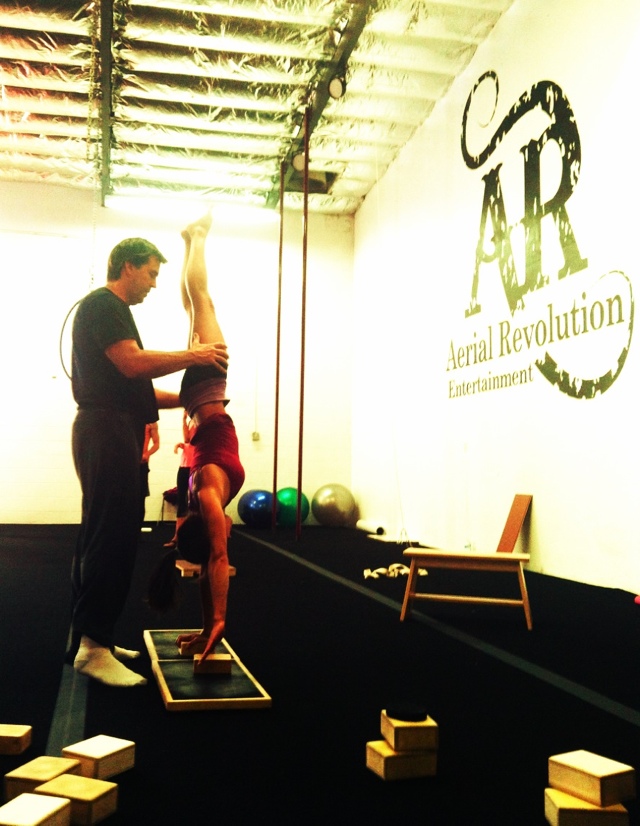
Day 3 : Deep Healing Yoga with Bhava Ram @ Ginseng : Observation and moving outward.
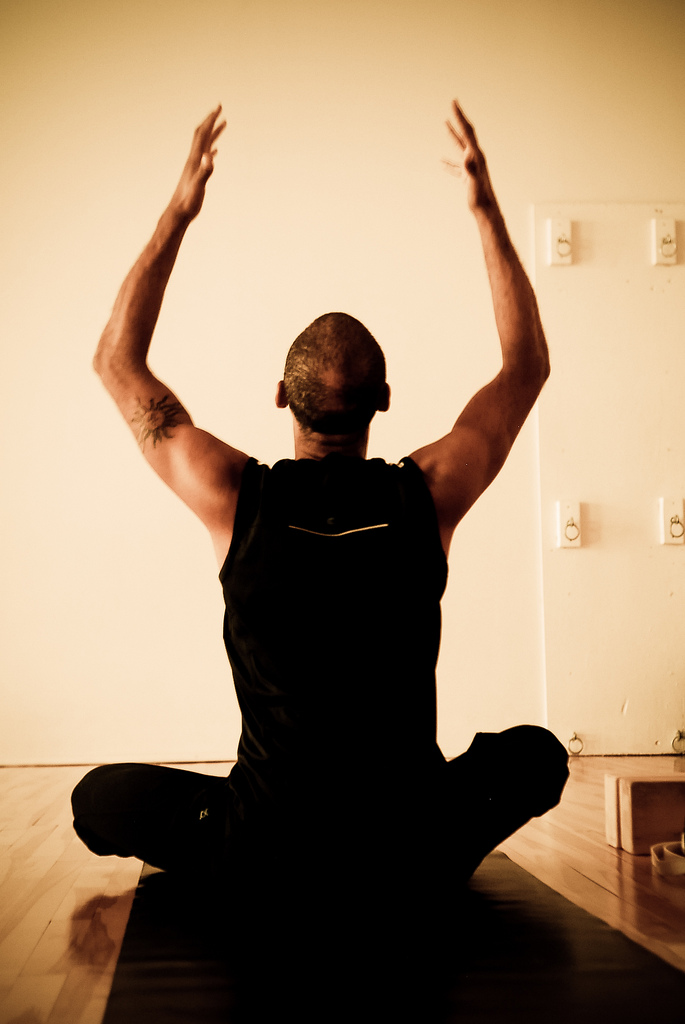
Day 4 : Deep Healing Yoga with Bhava Ram @ Ginseng : I don’t think it’s mere coincidence that construction workers were hired to tear up the street corner at which Ginseng Yoga Studio sits the very week I decide to commit myself to a yoga and movement schedule that will help me to break up the blockages and push out the stagnation in my body to create space for new growth, healing, and strength : This is perfect.

Handstand Training with Jean-Luc @ Aerial Revolution : I am strong.
Day 5 : Bheemashakti Yoga with Jonathon Patriarca @ Ginseng : Building strength and endurance.
On day 5 of my meditation challenge.
Thanks to Equanimity, an app on my phone, I’m able to easily track my sitting time. So far, I’ve spent almost 8 hours sitting in silent meditation in the past 4 days. It’s been frustrating, distracting, painful, and challenging as well as rejuvenating, calming, and insightful. It’s amazing how easy it is and, yet, it’s one of the most challenging things for me to do.
Fortunately, our landlord agreed to transform one of our rooms into a practice space with an amazing oak floor! A perfect place to meditate..
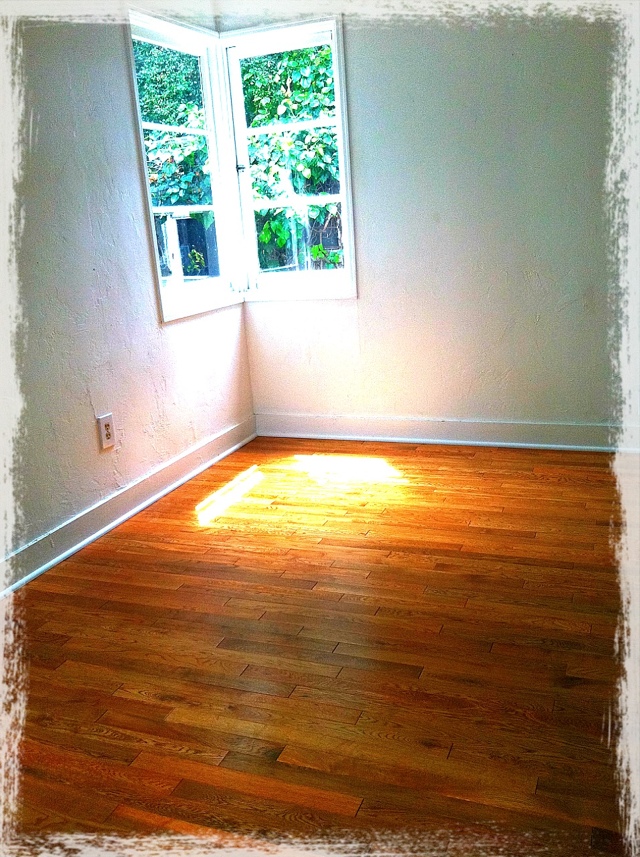
Beginning today.. for the next 32 days..

I will sit in silent meditation for 30 minutes
or more
every day.
This is what happens when I stay home alone with the cat under a full moon..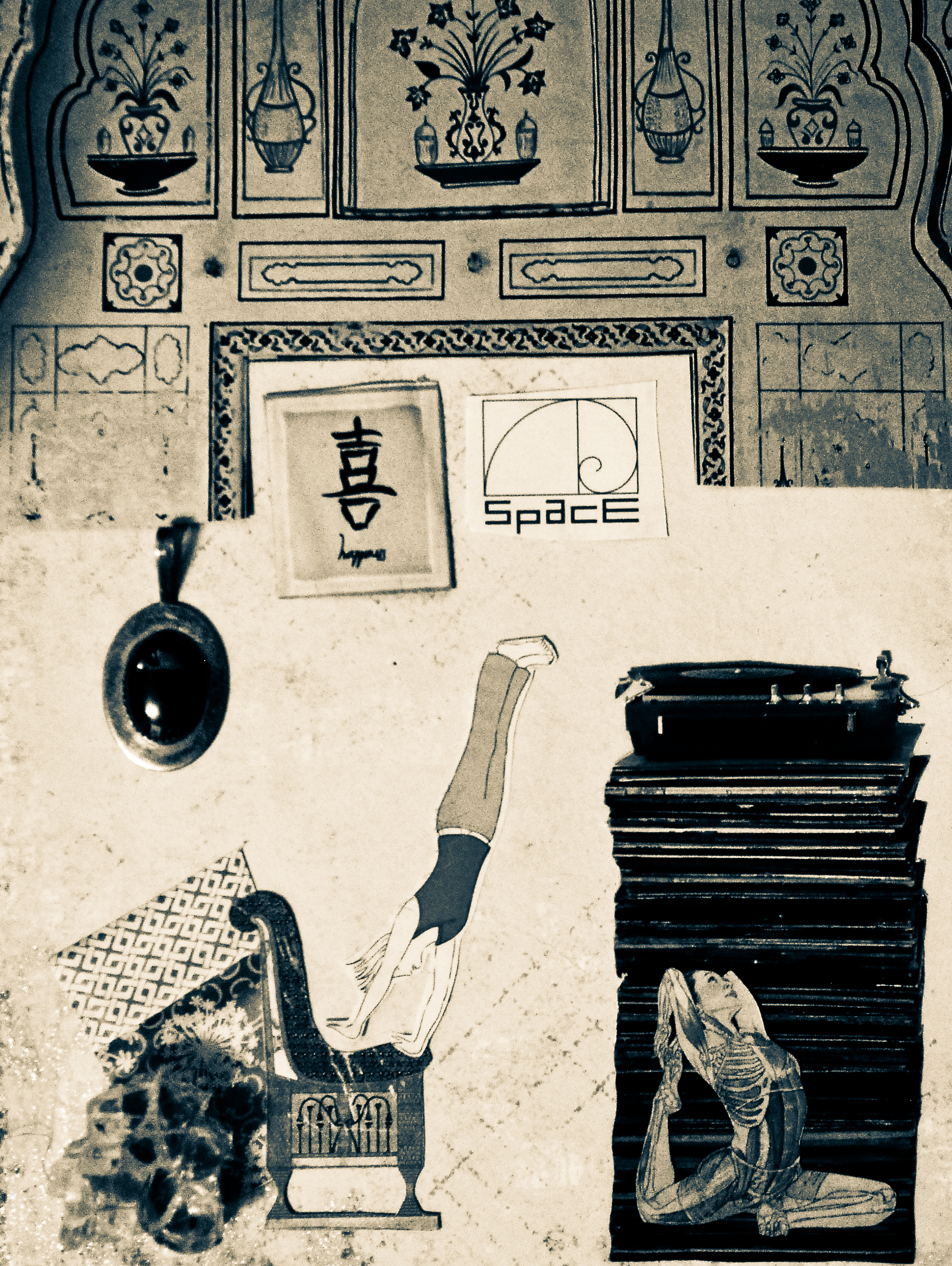



 Rachel Dragonfly
You must be logged in to post a comment.